
The Art of Being Alone
- By Laveena Bhootra, XI-A
- Fri,19 Jun 2026
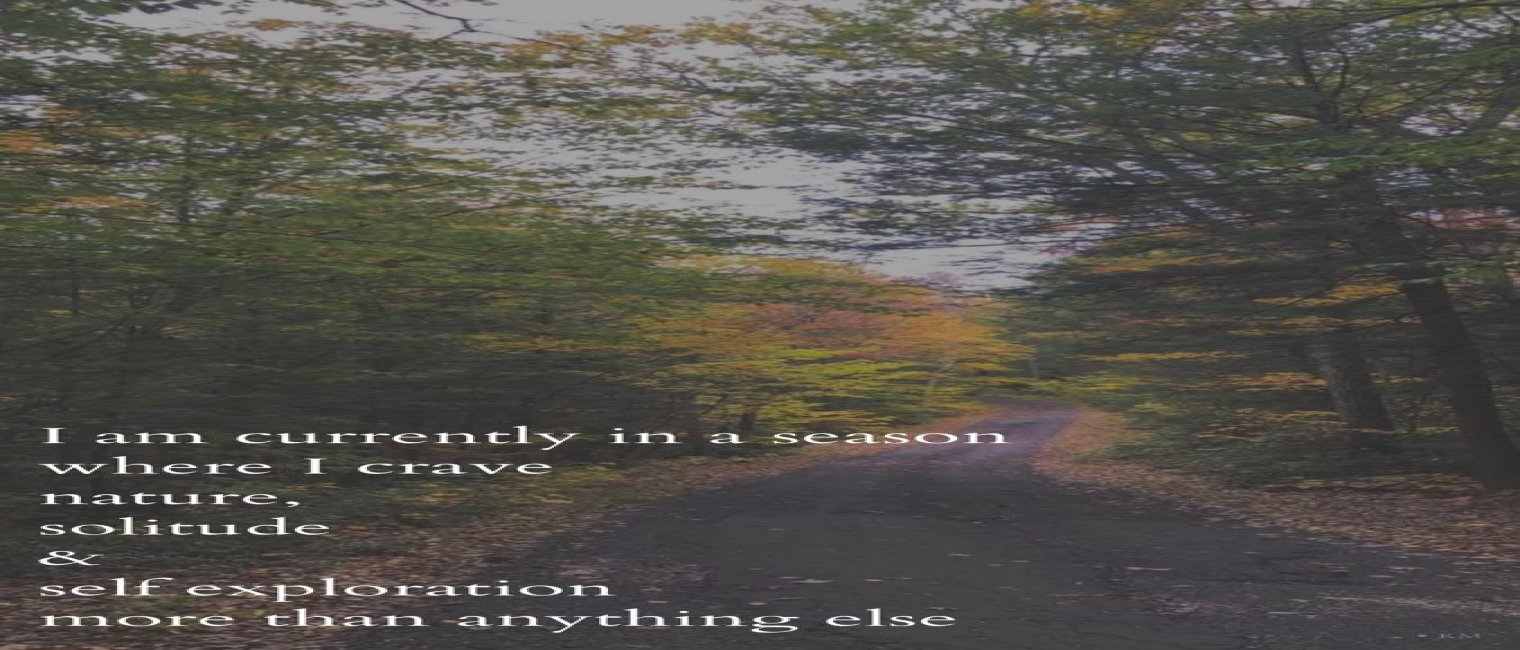
In today’s world, people are more connected than ever before. Conversations happen instantly, notifications never stop, and social media constantly reminds individuals of what others are doing, achieving, or experiencing. Yet despite being surrounded by endless interaction, many people still feel mentally restless and emotionally exhausted. Perhaps the reason is that while people are learning how to stay connected with everyone else, they are slowly forgetting how to stay connected with themselves. Silence, once considered peaceful, has now become uncomfortable for many. The moment people find themselves alone, they often search for distractions — music, scrolling, conversations, or noise — anything that prevents them from sitting quietly with their own thoughts. Modern life has created a generation that is constantly stimulated, yet rarely still. However, there is an important difference between loneliness and solitude. Loneliness is the pain of feeling emotionally disconnected, while solitude is the ability to enjoy one’s own company without feeling incomplete. A person who understands solitude does not isolate themselves from the world; instead, they develop the strength to remain emotionally stable even in silence. Today, many individuals unknowingly measure their worth through external attention. Likes, replies, validation, and approval slowly begin replacing genuine self-confidence. Society constantly creates the impression that happiness depends on being noticed, appreciated, or accepted by others. As a result, people spend so much time trying to fit into the world that they rarely pause to understand themselves. This constant comparison gradually weakens individuality. Many people begin following trends, opinions, and lifestyles without asking whether those choices truly suit their personality, abilities, or goals. In the pressure to belong, individuals often spend more time observing others than understanding their own minds. They know what is popular, but not always what is meaningful. Yet solitude has a quiet way of revealing truth. When people spend healthy time alone, away from constant noise and comparison, they begin noticing themselves more honestly — their habits, fears, strengths, weaknesses, and aspirations. They become more aware of what genuinely matters to them instead of blindly following what the world expects. Self-aware individuals are often less afraid of making imperfect decisions because they trust their ability to learn, adapt, and grow through experience. Rather than constantly asking whether every choice is right or wrong, they focus on making their decisions meaningful through clarity, effort, and discipline. In many ways, solitude strengthens independent thinking. Earlier, people often spent time reading, reflecting, observing, or simply thinking deeply. Today, constant distractions and instant entertainment have reduced many people’s ability to focus patiently for long periods of time. This may also explain why so many individuals constantly search for external motivation. Inspiration from others may encourage people briefly, but lasting discipline and purpose usually develop from inner clarity and self-understanding. Many great thinkers, writers, scientists, and artists throughout history valued moments of solitude because silence gave them space to observe life deeply and think without interruption. Creativity often grows in quiet places, where the mind is free from constant comparison and unnecessary noise. Deep thoughts rarely emerge from crowded minds. However, the art of being alone does not mean rejecting relationships or distancing oneself from society. Human connections remain meaningful and necessary. But a person who is comfortable alone does not depend entirely on external validation for happiness, identity, or peace of mind. Such individuals are often emotionally stronger, less influenced by temporary trends, and more capable of staying true to themselves. In a world filled with constant noise, the ability to sit peacefully with one’s own thoughts has become rare. Yet perhaps that is where true growth begins. Solitude teaches people to understand themselves, trust their instincts, and build a life based not on imitation, but on clarity and purpose. The art of being alone is not about escaping the world — it is about knowing yourself deeply enough that your peace does not disappear in the absence of it.